
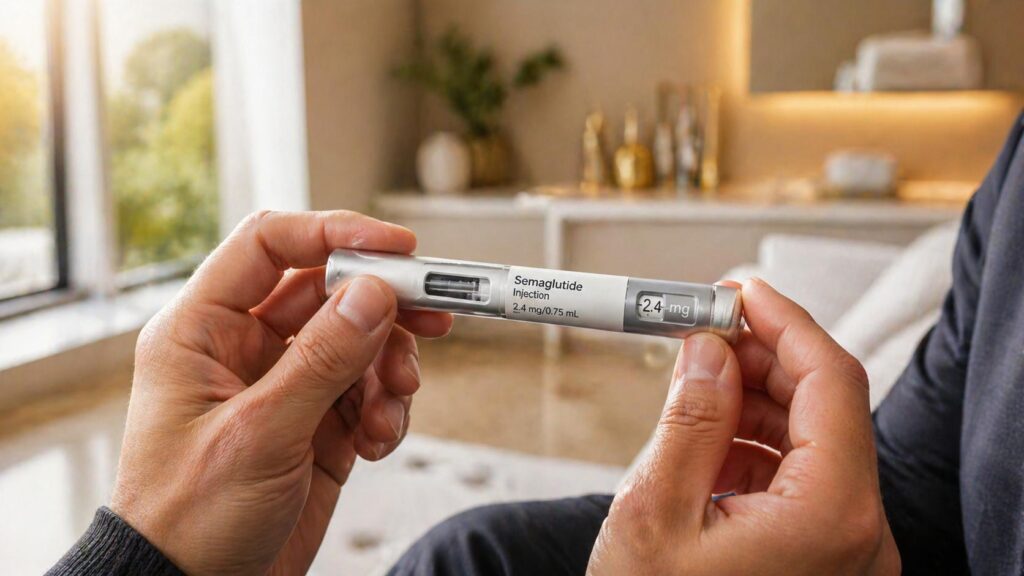
Weight loss injections like semaglutide (Ozempic, Wegovy) and tirzepatide (Mounjaro, Zepbound) have become one of the most talked-about treatments in modern medicine, and a fair question keeps coming up in our consultations: am I going to feel side effects, and are they dangerous?
The side effects of weight loss injections are real, mostly manageable, and rarely a reason to stop treatment when properly supervised. This guide walks you through what to expect, how long symptoms typically last, and when to call your doctor.
What are weight loss injections?
Weight loss injections are prescription medications, primarily GLP-1 receptor agonists, that help regulate appetite, slow gastric emptying, and improve insulin response. The two most common molecules are semaglutide (sold as Ozempic and Wegovy) and tirzepatide (sold as Mounjaro and Zepbound).
It is worth saying what these medications are not: they are not over-the-counter “fat-burning shots,” not nutritional supplements, and not a replacement for medical evaluation. According to Mayo Clinic guidance on semaglutide and FDA labeling, these are prescription-only treatments that require ongoing medical follow-up. Used without supervision, they raise the chance of preventable complications and reduce the chance of reaching a sustainable result.
Most common side effects of weight loss injections
The side effects of weight loss injections are mostly gastrointestinal and tend to appear during the first weeks or after a dose increase.
The symptoms reported most frequently are:
- Nausea: the most reported side effect, frequently experienced in the first weeks. It usually fades as the body adjusts, but persistent nausea may signal that the dose is escalating too fast.
- Vomiting: often linked to large meals or fatty foods. Smaller portions reduce it considerably.
- Diarrhea or constipation: both happen because gastric motility changes. Hydration and fiber make a measurable difference.
- Headache and fatigue: typically mild and transient, lasting a few days after each dose adjustment.
- Injection site reactions: redness, mild swelling, or itching at the application spot.
- Decreased appetite (sometimes excessive): the medication works by reducing hunger, but excessive loss of appetite needs monitoring to avoid undernutrition.
- Heartburn and acid reflux — related to slower gastric emptying, especially after heavier meals.
Most patients report these symptoms as mild to moderate. Based on our clinical experience, when titration is done slowly and supervised, the majority of side effects resolve without changing the treatment plan.
Read more:
👉 What are the side effects of Tirzepatide for weight loss?
How long do these side effects last?
One of the most common questions in our consultations is exactly this: how long until I feel normal again? The answer varies by symptom and by patient, but the patterns are consistent enough to summarize:
| Side effect | Typical duration | When to call your doctor |
|---|---|---|
| Nausea | 1–4 weeks | Persists past 6 weeks or causes dehydration |
| Diarrhea or constipation | 1–3 weeks | Severe cramping or blood in stool |
| Headache | First days after dose increase | Sudden, severe, or with vision changes |
| Injection site reaction | 24–72 hours | Spreading redness, fever, or pus |
| Fatigue | 2–4 weeks | Extreme weakness or dizziness |
These timelines reflect typical adjustment patterns reported in clinical literature on GLP-1 therapies. Symptoms outside these windows should always be reviewed with your supervising physician — not addressed by adjusting the dose on your own.
Less common but serious risks to watch for
While most patients only deal with mild GI symptoms, a small percentage may face serious adverse events. Based on FDA safety communications, the most relevant ones are:
- Pancreatitis — severe abdominal pain that radiates to the back, often with vomiting.
- Gallbladder problems — pain in the upper right abdomen, jaundice, or sudden nausea after fatty meals.
- Kidney issues — usually triggered by dehydration from prolonged vomiting or diarrhea.
- Allergic reactions — rare but possible; watch for swelling of face, lips, or tongue.
- Thyroid concerns — discussed individually based on personal and family medical history.
The chance of facing any of these is low, but the impact is high. That is why every reputable medical weight loss program builds in regular check-ins instead of just handing patients a prescription and a syringe.
⚠️ Important: This section describes uncommon but serious risks. Seek immediate medical attention if you experience any of these symptoms while using weight loss injections.
How to manage and reduce side effects
The good practices below are the same ones we use with our medical weight loss patients in West Palm Beach. They reduce the chance of dropping out of treatment because of discomfort:
- Start with the lowest dose: slow titration is the most documented strategy to reduce nausea.
- Eat smaller, low-fat meals: large or greasy meals are the number one trigger for vomiting and reflux.
- Stay hydrated: at least 8 glasses of water per day helps prevent kidney strain and constipation.
- Avoid alcohol and ultra-processed foods: both worsen GI symptoms and may increase pancreatic stress.
- Track symptoms in a daily log: share with your physician at follow-ups so dose adjustments are evidence-based.
- Never adjust your own dose: dose changes belong to your supervising provider, not to social media advice.
- Schedule regular check-ins: based on our clinical practice, monthly follow-ups during the first 3 months reduce dropout rates substantially.
Patients in supervised programs consistently show higher adherence than patients self-managing prescriptions, simply because someone is watching the numbers and adjusting in time.
Why medical supervision changes the outcome
Medical supervision is the single most important factor separating safe weight loss injection use from preventable complications.
At Illusions Plastic Surgery in West Palm Beach, our supervised semaglutide program in West Palm Beach and tirzepatide treatment with medical follow-up are built around three pillars: board-certified medical evaluation, individualized dose titration, and structured follow-up.
A supervised program reduces the chance that side effects become the reason a patient abandons treatment — and increases the chance of reaching the result they came for. That is the difference between a prescription and a plan.
FAQ: weight loss injections side effects
No. The most commonly reported symptoms are temporary and tend to fade within the first weeks of treatment as the body adjusts to the medication.
Alcohol is generally not recommended because it worsens nausea, dehydrates the body, and may increase the risk of pancreatitis when combined with GLP-1 medications.
Follow your prescriber’s protocol. The standard rule is to take it as soon as remembered if within a defined window, otherwise skip and resume the regular schedule — never double up.
No. Injections reduce body fat, but they do not address loose skin, stretched abdominal muscles, or specific contouring needs. Those require surgical solutions like a tummy tuck or liposuction.
Schedule a free consultation with the Illusions Plastic Surgery team to evaluate eligibility, expected outcomes, and integration with body contouring options.